Emotional Regulation: Finding Calm in the Creative Process
A biweekly Ewedaimonia series on strengthening executive function through creativity
When Creation Becomes a Centering Practice
We are living in a time marked by constant motion, rapid information, and an undercurrent of uncertainty. News cycles are heavy. Conversations carry tension. Even when we are not directly affected by conflict or crisis, the emotional weight of the world has a way of finding us. In the midst of this, there is a quiet moment that can emerge through creative work. Your hands move rhythmically, loop after loop or stroke after stroke, and something inside you begins to settle. The world narrows to the present moment, to color and texture, to the steady cadence of repetition. That sense of calm is not accidental. It is the result of emotional regulation, one of the most essential and often overlooked executive functions. Emotional regulation supports mental balance, patience, and resilience, especially during times when external circumstances feel unpredictable or overwhelming.
Understanding Emotional Regulation
Emotional regulation is our ability to manage, respond to, and recover from emotional experiences in ways that align with our goals and values. It does not mean ignoring difficult emotions or forcing positivity. It means learning how to stay present with what we feel without becoming consumed by it. This skill helps us:
Stay calm under stress
Persevere through frustration
Delay gratification
Express emotion in constructive and meaningful ways
From a neuroscientific perspective, emotional regulation relies heavily on the prefrontal cortex and its connections with the amygdala, the brain’s emotional processing center. When these connections are strong, we are better able to balance emotional intensity with thoughtful action. Regular practices that support self regulation, such as mindfulness, reflection, and creative engagement, strengthen the brain’s ability to pause, process, and respond intentionally rather than react impulsively.
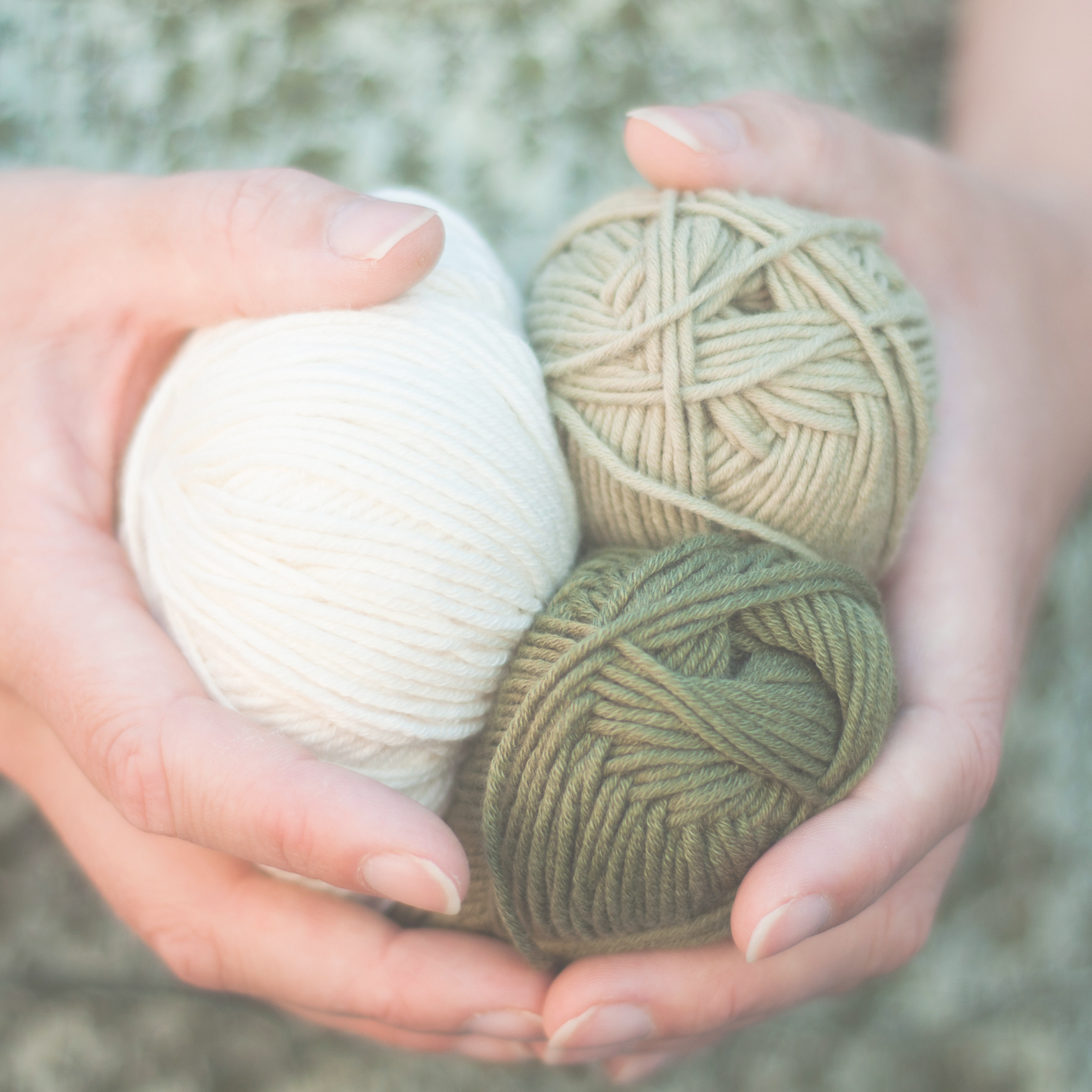
Crafting as Emotional Regulation
Creative activities offer a natural and accessible way to practice emotional balance. They engage the senses, structure attention, and provide tangible feedback, all of which support regulation. When you knit, sew, paint, or sculpt, you:
Engage in structured repetition that helps settle the nervous system
Practice tolerance for frustration as you correct mistakes or rework sections
Experience flow, a state of calm concentration that reduces physiological stress
Receive immediate reinforcement as progress becomes visible
In a world that often feels chaotic or emotionally charged, these moments of structure and predictability matter. The steady relationship between action and outcome creates a feedback loop of calm. Your actions help regulate your emotions, and regulated emotions allow your actions to remain steady. Over time, this pairing becomes a learned strategy for emotional regulation, one that can extend far beyond your creative space.
The Science of Flow and Emotion
Research on flow states, periods of deep engagement and focused attention, shows that creative activity can support emotional balance by quieting the brain’s default mode network. This network is associated with rumination, self criticism, and worry.
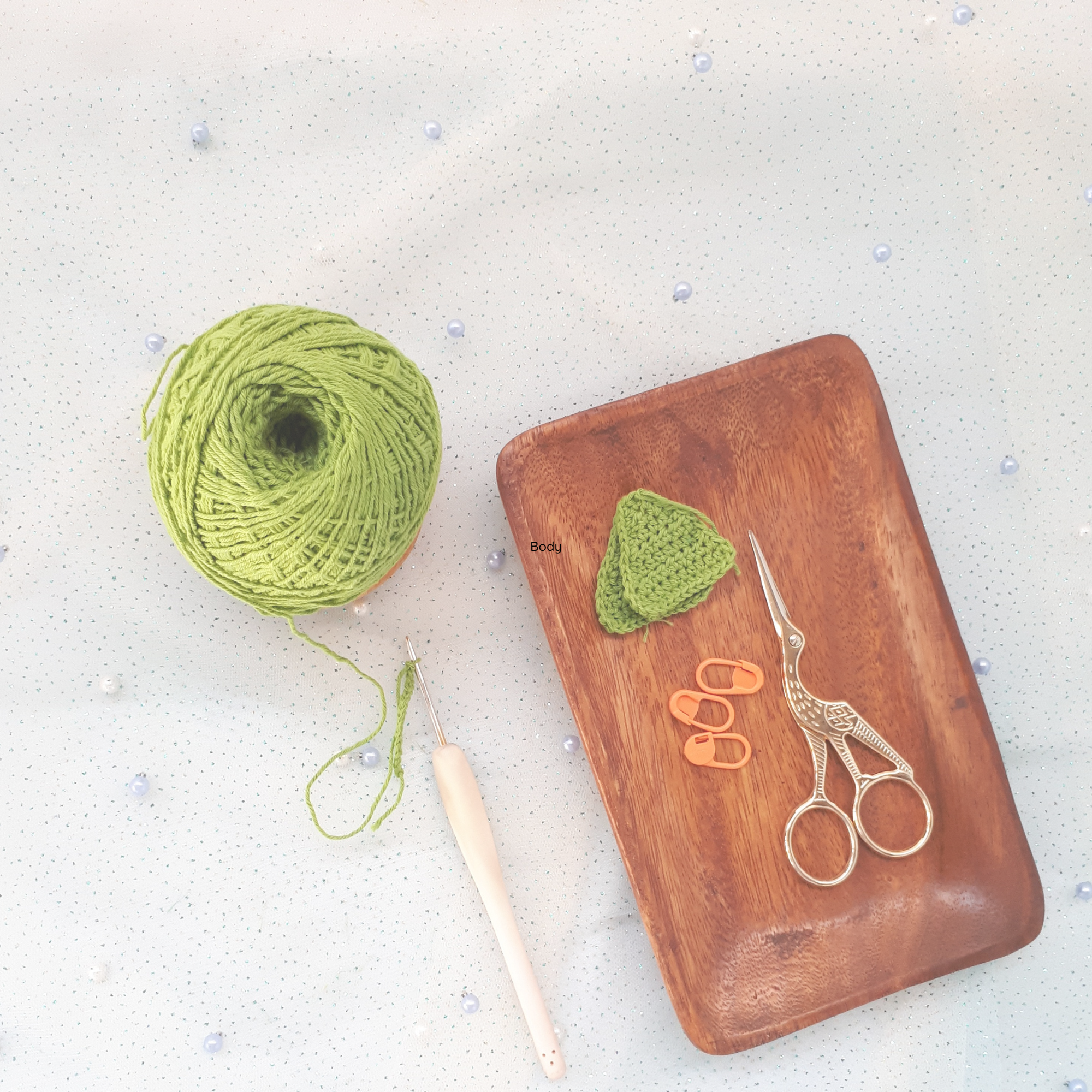
From a behavior analytic perspective, creative work functions as an alternative response. It provides a reinforcing and constructive behavior that competes with reactive emotional patterns. Instead of being pulled into cycles of anxiety or overwhelm, creative routines offer a channel for energy that supports calm, control, and emotional recovery.
When Emotions Unravel
Even creative processes are not free from challenge. Tangled yarn, uneven stitches, and unexpected outcomes are part of making. These moments offer valuable opportunities to practice emotional regulation within a safe and contained environment. Learning to pause, breathe, and continue through creative frustration helps build emotional resilience. It reinforces the understanding that difficulty does not signal failure. It signals information. In times when the broader world feels unstable, these small practices of emotional steadiness can become anchors. They remind us that while we cannot control everything around us, we can learn to respond with intention.
A Reflection to Thread Through
Think about a moment when your creative practice helped you return to a sense of balance. What sensations, movements, or rituals supported that shift? How might you bring more of those moments into your daily life? Each act of making carries a quiet lesson. Emotional steadiness is not the absence of feeling. It is the ability to move through emotion with care and awareness, one stitch, brushstroke, or note at a time.
🌿 Stay Connected
Follow Ewedaimonia’s Executive Functioning Through Creativity series every two weeks for reflections that blend neuroscience, behavioral science, and mindful creativity.
Next up: Attention and Focus, Finding Flow in Detail.
If this post supported your craft or your wellbeing, you’re welcome to ‘buy me a coffee.’ Never expected-always appreciated.