Attention and Focus: Finding Flow in Detail
A biweekly Ewedaimonia series on strengthening executive function through creativity
The World in a Single Stitch
There is a moment in every creative practice when the noise fades. You count your stitches, mix your colors, or trace a line, and suddenly time softens. The chatter of the day quiets, your breathing slows, and your awareness narrows to the beauty of detail. That deep, centered state is focused attention in its purest form. It is not forced, but fluid. It reflects the quiet power of the brain’s ability to sustain concentration, one of the most essential executive functions for learning, creativity, and peace of mind.

Understanding Attention and Focus
Attention is more than noticing what is in front of us. It is the process of selecting what matters and filtering out what does not. Focus is the sustained effort that keeps us connected to our goals, even when distractions arise. Together, these skills allow us to:
Maintain mental effort on complex tasks
Ignore irrelevant stimuli
Shift focus when priorities change
Build endurance for sustained engagement
Neuroscience highlights the frontoparietal network and the anterior cingulate cortex as central to attentional control. These systems regulate how cognitive resources are directed. Like any system, attention strengthens through intentional and consistent use.
Creativity as Attention Training
Creative work offers an elegant form of attentional practice. When you knit, paint, sew, or draw, you naturally enter periods of sustained concentration. Sensory engagement, such as the feel of yarn, the glide of a brush across canvas, or the steady hum of a sewing machine, anchors attention in the present moment. These immersive experiences train the brain to sustain focus while remaining sensitive to subtle changes. For example:
A knitter monitors tension, rhythm, and pattern at the same time.
A painter observes how light shifts across the surface of the work.
A sewist attends to the sound and feel of fabric aligning beneath the needle.
In each case, the act of making provides immediate feedback. Progress itself reinforces the behavior of sustained attention.
The Science of Flow
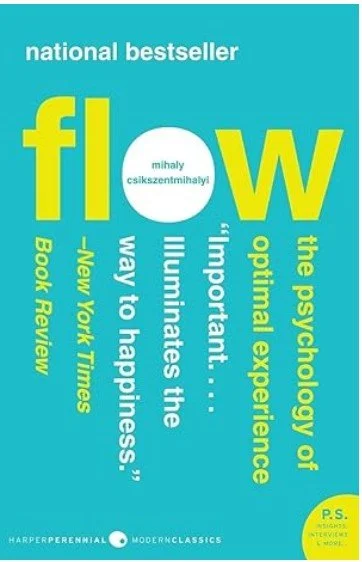
Psychologist Mihaly Csikszentmihalyi described flow as a state of complete absorption in a task, where challenge and skill are closely matched. During flow, activity in the prefrontal cortex, the region associated with self monitoring and time awareness, temporarily quiets.
From a behavioral perspective, this is where reinforcement and attention meet. The task becomes rewarding in its own right, and each small success sustains focus. With repeated access to this state through creative routines, the brain becomes more efficient at returning to focused engagement, even outside of creative contexts.
Crafting Focus Beyond the Studio
Attention is increasingly fragile in modern life. Notifications, constant information, and multitasking divide it. Creative practice offers a refuge, a place to rebuild cognitive stamina.
Small, ritualized moments of focus can generalize beyond the craft itself:
Set aside a daily creative focus session of fifteen to thirty minutes.
Reduce distractions and fully engage one sensory channel.
When attention drifts, gently redirect it, just as you would after dropping a stitch or smudging a line.
This repeated act of returning attention strengthens patience and persistence, core qualities of a focused and regulated mind.
A Reflection to Weave Through
When was the last time you lost track of time doing something you love? What details held your focus? Noticing what naturally captures your attention can reveal how your mind seeks balance. Every moment of focus, each deliberate motion and mindful breath, is a quiet act of resistance against distraction. Through creativity, you are not only finishing a project. You are cultivating presence.
Stay Connected
Follow Ewedaimonia’s Executive Functioning Through Creativity series for biweekly reflections that blend behavioral science, neuroscience, and artful self growth.
Next up: Task Initiation: Getting Started with Intention.
If this post supported your craft or your wellbeing, you’re welcome to ‘buy me a coffee.’ Never expected-always appreciated.