Planning and Organization: From Skein to Strategy
A biweekly Ewedaimonia series on strengthening executive function through creativity
The Blueprint of Creation
Before the first stitch is cast on or the first brush meets canvas, there is a pause, a moment of planning. You envision the finished piece, gather your materials, and chart your steps. It is the invisible architecture of creativity, the structure beneath every act of making.
This process draws upon two essential executive functions: planning and organization. These skills guide not just our projects, but the way we navigate daily life, turning ideas into tangible outcomes and keeping chaos at bay with a sense of order and purpose.
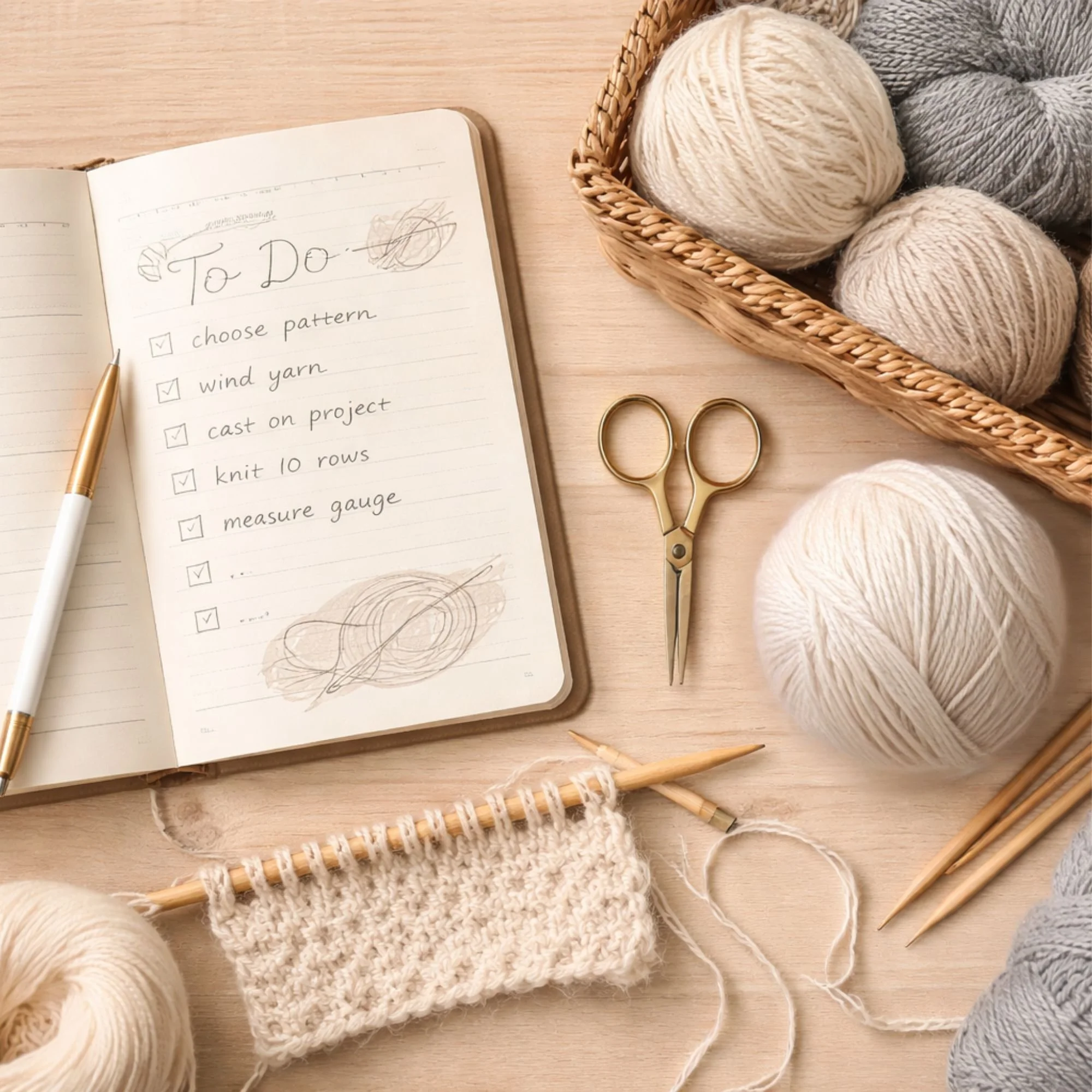
Understanding Planning and Organization
Planning and organization are central components of executive functioning. They help us set goals, anticipate challenges, and sequence our actions to reach desired outcomes.
Planning involves identifying what needs to happen, when it needs to happen, and how it will be done.
Organization involves keeping track of the materials, information, and steps needed to reach that goal.
From a neuroscientific perspective, these processes are linked to the dorsolateral prefrontal cortex. This region is responsible for goal setting, foresight, and self monitoring. When we engage these systems regularly, especially through structured creative activities, we strengthen the mental frameworks that support problem solving, efficiency, and confidence.
The Creative Mind at Work
Crafters are natural planners. Whether designing a garment, quilting a layout, or arranging a workspace, every creative act requires forethought and sequencing.
For example:
A knitter organizes yarns, needles, and notions before starting a project, and plans stitch counts, pattern repeats, and finishing details.
A sewist cuts fabric systematically, aligning patterns and marking darts before the first seam is sewn.
A painter builds layers intentionally, deciding which hues to mix first, what to block in, and how to preserve highlights.
These deliberate steps extend beyond the craft room. The same skills used to plan a project timeline can help structure a day, prioritize tasks, or break large goals into manageable parts.
The Behavior Science of Planning
From a behavior analytic perspective, planning and organization function as forms of antecedent control. We arrange our environment to make success more likely. Laying out materials, creating a to do list, or using a visual pattern all serve as prompts that guide future behavior.
As these behaviors are reinforced through progress and satisfaction, they become habits. Over time, the consistent pairing of structure with creative reward strengthens both the habit and the neural circuitry that supports it.
In this way, creativity becomes not only an expressive outlet, but also a practical tool for self management and executive skill building.

Order as a Form of Calm
Organization in crafting is more than tidiness. It is emotional regulation expressed through structure. A well prepared workspace reduces decision fatigue and promotes flow. By externalizing order, arranging tools, labeling bins, and winding skeins, we create a physical reflection of internal stability.
When life feels cluttered or overwhelming, these small rituals of preparation can anchor the mind. They remind us that order is not about perfection, but about clarity and control, qualities that support both creativity and mental well being.
A Reflection to Weave In
Think about your most recent project. How did you plan it? What systems helped it move smoothly, and what might you adjust next time?
By bringing awareness to these patterns, you transform everyday routines into intentional practices for growth. Each organized space, each charted plan, and each finished piece becomes evidence of a mind capable of turning ideas into action, one deliberate step at a time.
Stay Connected
Follow Ewedaimonia’s Executive Functioning Through Creativity series every two weeks for reflections that blend neuroscience, behavioral science, and mindful creativity.
Next up: Emotional Regulation, Finding Calm in the Creative Process.
If this post supported your craft or your wellbeing, you’re welcome to ‘buy me a coffee.’ Never expected-always appreciated.